
When your AC is not working after a power outage, the first concern is usually how quickly you can get cool air flowing again. The power may be back on, but your home can heat up fast, and it may not be clear whether the problem is a simple reset or a damaged component.
Repeatedly adjusting the thermostat or resetting breakers can make the situation more confusing. You also need to know which checks are safe to handle and which warning signs mean the system should stay off.
This guide explains the most common reasons an AC unit may not work after a power outage, the basic troubleshooting steps you can try, and when to call an HVAC professional for help.
Why Is Your AC Unit Not Working After a Power Outage?
An AC unit not working after a power outage may be due to a tripped breaker, a thermostat reset, a damaged electrical component, or a delayed compressor startup. Both the indoor and outdoor parts of the system must receive power for cooling to begin.
A power surge can also affect sensitive controls and electrical parts. In some cases, the outage exposes an existing weakness, such as a worn capacitor, loose connection, or aging motor.
The system may appear to run normally but still blow warm air. That can point to an outdoor unit that has not restarted, a frozen indoor coil, or a refrigerant-related problem.
What Should You Do When Your AC Does Not Restart?
Do not repeatedly switch the air conditioner on and off. The system may need a short delay after power returns. Stop troubleshooting if you notice burning odors, sparking, smoke, exposed wiring, or repeated electrical problems.
1. Give the System Time to Reset
Set the thermostat to “Off” and wait about five minutes after power has returned. This gives the system controls and compressor time to reset before receiving another call for cooling.
Set the thermostat back to “Cool,” choose a temperature below the current room temperature, and set the fan to “Auto.” Some thermostats display a blinking cooling message during a built-in startup delay, so the unit may not start immediately.
2. Check the Thermostat
Confirm that the thermostat has power and is set correctly. A blank screen may point to dead batteries, a loss of power to the indoor equipment, or a thermostat that needs to reboot.
Replace the batteries if the model uses them. Check whether the outage changed the schedule, temperature, or cooling mode.
Thermostat errors are only one of several common air conditioning problems in Downingtown, PA that can prevent a system from cooling properly.
3. Inspect the Circuit Breaker
Find the electrical panel and look for breakers labeled for the air conditioner, condenser, furnace, air handler, or HVAC system. A tripped breaker may sit between the “On” and “Off” positions.
Reset a tripped breaker by moving it fully to “Off” and then back to “On.” Do this only once. If it trips again, leave it off and contact a technician because the system may have an electrical fault.
Never open electrical panels on the AC equipment or touch wiring, capacitors, fuses, or internal parts. These components can carry dangerous electrical charges.
4. Check the Indoor Power Switch
Many central air systems have a service switch near the furnace or air handler that looks like a regular light switch. Confirm that it is in the “On” position, since it may have been switched off during outage checks or electrical work.
The outdoor unit may also have a nearby disconnect box. Confirm that its cover is closed, but do not remove it or handle internal components.
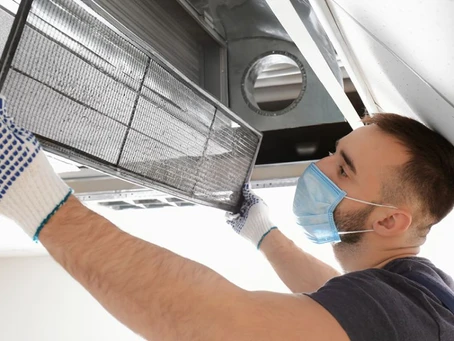
5. Inspect the Air Filter
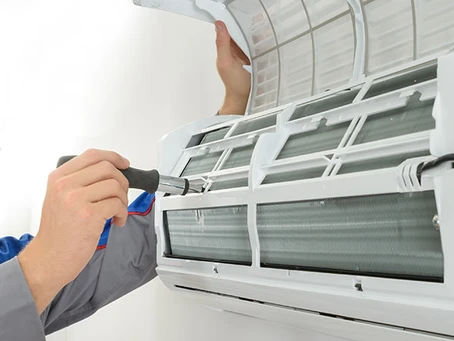
A dirty filter may not be the cause of the outage, but it can restrict airflow and make it seem like the AC has failed to recover. Check the filter and replace it if it is packed with dust or past its recommended service interval.
After replacing the filter, check the vents for cool airflow. A system that runs without cooling may have a frozen coil, refrigerant problem, compressor issue, or another fault.
6. Look at the Outdoor Unit
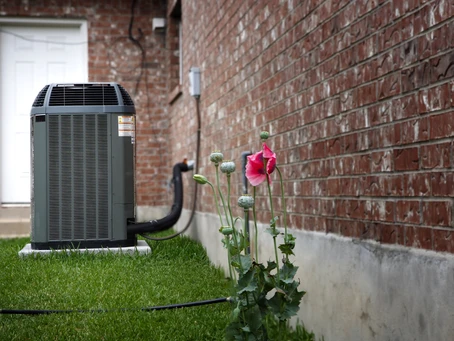
Check the outdoor unit from a safe distance. Remove loose leaves or light debris from the surrounding area, but keep your hands away from the fan and electrical cabinet.
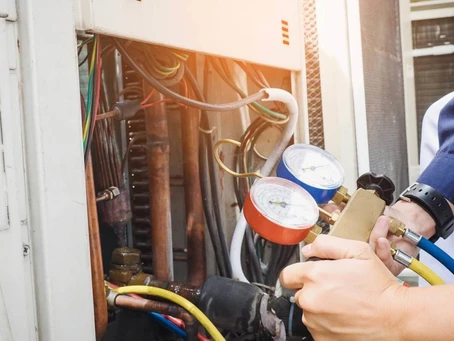
Listen for humming, clicking, grinding, or repeated attempts to start. If the indoor fan runs but the outdoor unit does not, a surge may have affected a capacitor, contactor, compressor, motor, or control component.
When Should You Call an HVAC Professional?
Call for professional service if your AC still does not run after one careful reset and the basic checks above. You should also request help if the breaker trips again, the thermostat stays blank, or the outdoor unit does not start.
Professional attention is also needed if you smell burning, hear loud electrical sounds, see ice on refrigerant lines, or notice water near the indoor equipment. Keep the air conditioner off until it can be inspected.
Chester County Fuel Oil provides professional air conditioning maintenance and repair services for central air conditioners, heat pumps, and HVAC systems. The company also offers 24-hour emergency service for cooling problems that require prompt attention.
How Can You Reduce AC Problems After Future Outages?
Routine AC maintenance can identify worn electrical parts, airflow restrictions, and other problems before the next outage.
A qualified electrician or HVAC technician can also discuss surge protection options for your cooling equipment. The right setup depends on the home’s electrical system and the type of HVAC equipment installed.
Chester County Fuel Oil has served the area for over 40 years and offers air conditioning service contracts, system maintenance, repairs, and free installation estimates. Its commitment is “First in Customer Satisfaction.”
Get Help When Your AC Will Not Restart
If your AC is not working after a power outage, start with the thermostat, wait for the reset delay, check the breaker once, and inspect the filter and outdoor unit. These steps may solve a minor interruption without putting you near unsafe electrical components.
If the system still does not cool, keeps tripping the breaker, or shows signs of electrical damage, professional service is the safer next step.
Use the Chester County Fuel Oil contact page to request air conditioning service or call 610-344-7234. A trained technician can identify the problem and restore dependable cooling to your home.