
What Is an Oil Burner? Oil Heat 101

Oil heat plays an important role in keeping many homes comfortable during cold weather. If your heating system runs on oil, the oil burner is the component that makes it all work. It begins the process by converting heating oil into a controlled flame, which produces the heat your furnace or boiler uses to warm your home. 

In this guide, we’ll answer the most common questions, such as what an oil burner is, how an oil burner works, and how an oil heating system operates. 

By the end, you’ll have a clear understanding of how your oil heating system produces steady, reliable warmth throughout your home. You’ll also learn why proper maintenance is essential for keeping it running at peak performance and efficiency.

What Is an Oil Burner?

An oil burner is a type of heating system that, instead of using natural gas or electricity, burns heating oil to produce heat. It’s the core component of an oil-fired heating system and the part responsible for converting heating oil into the heat that keeps your home comfortable. The burner assembly is installed inside your furnace or boiler and performs the essential task of mixing fuel with air, igniting the mixture, and producing a controlled flame that generates heat.

When people ask about oil burners, they are usually referring to the entire burner assembly. This system includes several key parts that work together, including the fuel pump, the nozzle that sprays the oil, a fan that supplies combustion air, electronic controls, and the ignition system. Each component plays a specific role in creating a precise and efficient heating process.

Oil burners are designed for heating oil, a petroleum-based fuel that’s delivered to your home and stored in an on-site tank. The burner’s job is to draw this liquid fuel from the tank, atomize it into a fine spray, mix it with air, and ignite it safely. The result is a steady, controlled flame that produces heat energy efficiently and reliably.

How Does an Oil Burner Work?

Understanding how an oil burner works helps you see the precise engineering behind your home’s comfort. The process happens in a series of coordinated steps, all managed by the burner assembly and the system’s controls.

The Starting Signal

Everything begins with your thermostat. When the indoor temperature drops below your selected setting, the thermostat sends an electrical signal to the heating system. 

The control board in the furnace or boiler receives this signal and starts a timed ignition sequence. Before fuel is introduced, built-in safety controls perform a quick pre-ignition check to confirm the system is ready. This safety verification occurs every time the burner starts.

Fuel Delivery

Once the safety checks are complete, the fuel pump activates. It draws heating oil from the storage tank through a fuel line and pressurizes it. The oil then passes through a filter to remove impurities before reaching the burner nozzle.

Atomization and Combustion

At the nozzle, the pressurized oil is sprayed into a fine mist. This process is known as atomization, and is essential because oil burns efficiently only when properly dispersed.

At the same time, a small fan supplies air into the combustion chamber. The air mixes with the atomized oil to create the correct fuel-to-air ratio for clean combustion. An electric spark or hot surface igniter then ignites the mixture, producing a controlled flame. Modern oil burners are designed to maintain a stable, efficient flame that keeps smoke and soot to a minimum and delivers maximum heat output.

Heat Transfer

In the final stage, the flame heats the heat exchanger. The heat exchanger absorbs thermal energy from combustion and transfers it to your home either by warming air in a forced-air system or heating water in a boiler system.

What Are the Main Components of an Oil Heating System?

To understand how an oil heating system works, it helps to know the main components involved. Each part plays a specific role in turning fuel into reliable, comfortable heat.

Oil Storage Tank

The oil tank holds the fuel that powers your system. Tanks may be installed in the basement, garage, or outside your home. Common indoor tanks hold about 275 gallons, but outdoor tanks may hold 550 gallons or more. The tank connects to your burner through a fuel line and typically includes a vent pipe and fuel gauge. 

Burner Assembly

The burner assembly converts heating oil into usable heat. It includes the fuel pump, nozzle, combustion air fan, ignition system, and electronic controls.

Modern burners are designed for high efficiency, often reaching combustion efficiency ratings of 80-85% or higher. The burner nozzle is a precision component that wears over time and should be replaced during annual maintenance to maintain proper performance.

Combustion Chamber

The combustion chamber is the insulated area where the fuel burns. It is lined with fire-resistant material that can withstand high temperatures and directs heat toward the heat exchanger. 

Heat Exchanger

The heat exchanger is where combustion heat becomes useful warmth. Hot gases from the burner pass through metal tubes as air or water flows around them, absorbing heat. These components are designed with large surface areas to improve heat transfer.

During annual oil burner maintenance, technicians inspect the heat exchanger for cracks or corrosion. Damage can allow combustion gases to mix with indoor air, making early detection important for safety.

Blower or Circulator

In forced-air systems, a blower fan moves air across the heat exchanger and into your ductwork. Many modern systems use variable-speed blowers that run longer at lower speeds to improve comfort and efficiency.

In boiler systems, a circulator pump moves heated water through pipes to radiators or baseboard units, keeping heat distributed evenly throughout the home.

Controls and Safety Systems

Modern oil heating systems include several controls beyond the thermostat. A primary control manages burner operation, and a flame sensor confirms ignition. Safety switches monitor temperature and system status.

If the burner fails to ignite, the system shuts down to prevent unburned fuel buildup. High-limit switches also stop operation if the unit overheats. These safeguards help protect both your home and your equipment.

How Does Oil Heat Work Compared to Other Heating Methods?

When comparing oil heat with other heating options, a few key differences stand out. Understanding these can help you see how your system fits your home’s needs.

Oil Heat vs. Natural Gas

Heating oil produces more heat per unit of fuel. One gallon of heating oil contains about 138,000 BTUs, compared with roughly 100,000 BTUs per therm of natural gas. Oil systems also store fuel on-site, so they are not affected by gas pipeline interruptions.

However, oil heat requires space for a storage tank and regular fuel deliveries, which homeowners need to plan for.

Oil Heat vs. Electric and Propane

Electric resistance heating is often more expensive to run, especially in colder climates. Oil systems usually deliver heat more quickly and efficiently per BTU.

Propane and heating oil systems operate in similar ways, with fuel stored on-site and burned in a furnace or boiler. Heating oil generally provides more BTUs per gallon, though availability and pricing can vary by region.

What Are the Benefits of Oil Heat?

Oil heat is a popular choice in many cold-weather regions because it offers dependable performance and long-term value. Some of the benefits of oil heat include:

Reliability in Cold Weather

Oil heating systems deliver steady heat even in very low temperatures. Unlike heat pumps, which can lose efficiency in extreme cold, oil burners maintain a consistent output.

Heating oil is also stable in storage. Fuel purchased in advance can be stored in your tank for months without losing quality, giving homeowners flexibility when planning purchases.

Energy Efficiency

Modern oil furnaces and boilers are designed for high efficiency. Many systems achieve AFUE (Annual Fuel Utilization Efficiency) ratings near or above 90%, meaning most of the fuel you pay for becomes usable heat.

Regular maintenance, such as annual cleaning and burner adjustments, helps keep efficiency high and prevents common performance issues.

Fuel Supply Control

With oil heat, your fuel is stored on-site, so you have control over how much you buy and when you refill. This flexibility allows homeowners to plan deliveries based on usage, weather, or fuel pricing.

System Longevity

A well-maintained oil heating system can last 20–30 years or longer. With proper care through an oil burner service contract, your equipment can provide reliable heat for a long time. Routine servicing reduces breakdowns, improves efficiency, and extends equipment life, making oil heat a durable heating option.

Why Does Regular Maintenance Matter for Oil Burners?

Understanding how an oil burner works makes it clear why routine maintenance is essential. The burner relies on precision components that must stay clean and properly adjusted to perform efficiently and safely.

Over time, soot and residue can build up in the combustion chamber and on the heat exchanger, reducing heat transfer. An annual cleaning removes these deposits and restores efficiency. Technicians also clean or replace the burner nozzle to maintain proper atomization, which supports clean, efficient combustion.

Routine service includes important safety checks. Technicians inspect the heat exchanger for cracks, test electrical connections, verify proper venting, and confirm that safety controls are functioning correctly. Carbon monoxide testing is also part of a thorough inspection.

Addressing minor issues during scheduled maintenance is typically far less expensive than emergency repairs. Regular servicing helps prevent unexpected system failures, extends equipment life, and keeps your heating system operating reliably throughout the winter.

What Types of Oil Heating Systems Are Common in Chester County?

When learning how oil heat works, it helps to know the two main system types found in many homes.

First, oil-fired furnaces heat air in a heat exchanger using an oil burner. A blower fan then pushes the warm air through ductwork into living spaces. Furnaces heat quickly and can share ductwork with central air conditioning. Modern units come in a range of efficiency levels, including high-efficiency condensing models that capture more heat from combustion.

Oil-fired boilers heat water instead of air. The heated water circulates through pipes to radiators, baseboard heaters, or in-floor systems. Boilers provide steady, even warmth and are common in older homes. They also reduce dust circulation because they do not rely on forced air.

How Can You Get the Most From Your Oil Heating System?

Understanding how an oil burner works is only the first step. Good maintenance and daily habits help your system run efficiently and reliably. Here are some steps to get the most out of your oil heating system.

Schedule Annual Maintenance

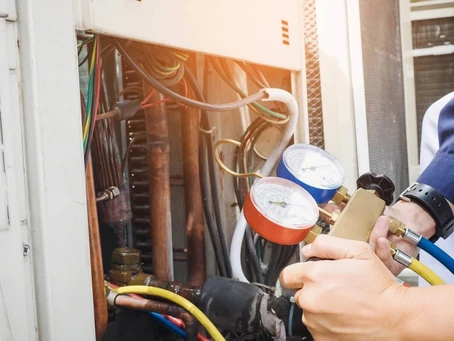
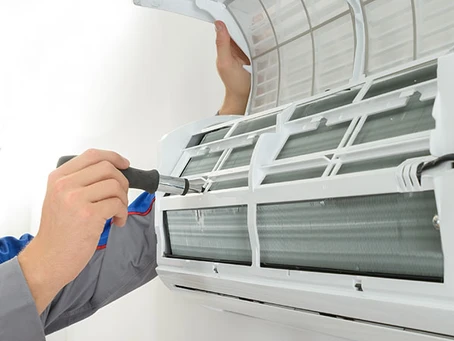
Arrange professional service once a year, ideally before the heating season. Technicians clean the burner and heat exchanger, replace worn parts like nozzles and filters, test controls, and check overall efficiency.

Monitor Your Oil Level

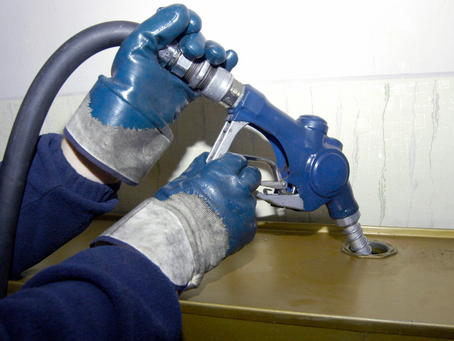
Check your tank gauge regularly during winter and schedule deliveries before the tank gets too low. Running out of fuel can interrupt heating and may require bleeding the air out of the oil line and system restarting.  

Chester County Fuel Oil handles the monitoring of your usage and arranges deliveries proactively, so you never have to worry about running low on fuel.

Keep Vents and Filters Clean

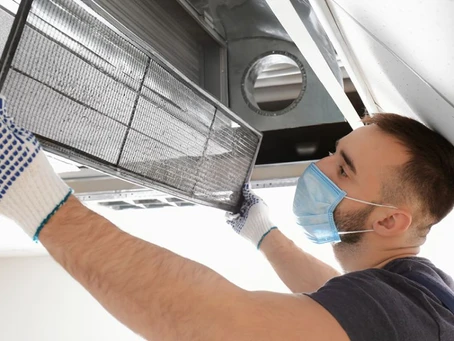
For forced-air systems, keep supply and return vents clear of furniture or rugs to maintain airflow. Replace air filters regularly to prevent dust buildup and efficiency loss.

Address Problems Promptly

Unusual noises, odors, or poor heating performance often signal a problem. Prompt service prevents larger repairs and keeps your system safe and dependable. 

Chester County Fuel Oil provides 24-hour emergency service for heating problems that can’t wait for regular business hours.

Need a Reliable Oil Heat Provider in Chester County?

Oil heat delivers reliable, efficient warmth for homes throughout Chester County. Knowing what an oil burner is and how it works helps you appreciate the engineering that keeps your home comfortable.

Chester County Fuel Oil has earned a reputation as a trusted heating partner for families across the region. With over 40 years of experience and a commitment to being “First in Customer Satisfaction,” the company offers complete oil heat services ranging from dependable heating oil delivery with flexible pricing options to professional maintenance through affordable service contracts.

Their skilled technicians have deep expertise in oil heating systems, providing expert repairs, precise installations, and thorough maintenance to keep your equipment running efficiently. 

Contact Chester County Fuel Oil today to schedule for a free installation estimate, annual maintenance, or to learn more about their service contracts and delivery options.

Skip to content