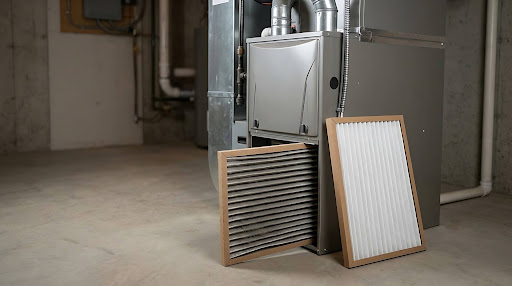
Is your furnace making a buzzing noise? A sudden buzzing sound can raise questions about electrical problems, a breakdown, or costly repairs. While some furnace noises are normal, an unfamiliar buzzing sound may mean a component needs attention.
Identifying the cause can help you recognize warning signs and decide when to seek professional assistance. This guide explains five possible causes of furnace buzzing and what you can safely check before calling a technician. It also covers when to schedule repairs and how maintenance can help prevent recurring problems.
What Are the Common Causes of a Buzzing Furnace?
A furnace may buzz because of electrical problems, a faulty blower motor, loose components, ignition issues, or restricted airflow. The source often depends on when the noise occurs and how the furnace performs.
1. Electrical Component Problems
Electrical components such as transformers, relays, and contactors can buzz when they develop faults. A transformer may hum continuously, and a defective relay or contactor may buzz repeatedly when the furnace tries to start.
Loose electrical connections can also cause buzzing or crackling sounds and lead to overheating. These problems require professional inspection because electrical faults can damage components and create fire hazards.
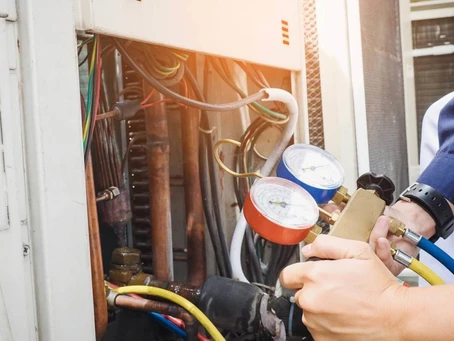
A technician can test the electrical connections and controls to identify the fault. Chester County Fuel Oil provides professional furnace repair service to diagnose and repair heating system problems.
2. A Faulty Blower Motor
The blower motor moves heated air through your ductwork. If the motor develops electrical problems or its bearings wear out, it may buzz or hum.
A failing motor capacitor can also cause the blower to hum but not start properly. You may notice weak airflow, intermittent blower operation, or a furnace that stops circulating warm air.
A technician can inspect the blower assembly and test the motor and capacitor. Depending on the findings, the technician may need to repair or replace the affected component.
3. Loose or Vibrating Components
Loose furnace panels, mounting brackets, or ductwork connections can buzz when the heating system operates. Blower vibrations may cause these parts to shake against nearby surfaces.
The noise may become louder when the blower starts and quieter when it stops. A loose cabinet panel can also produce a metallic rattling sound that resembles buzzing.
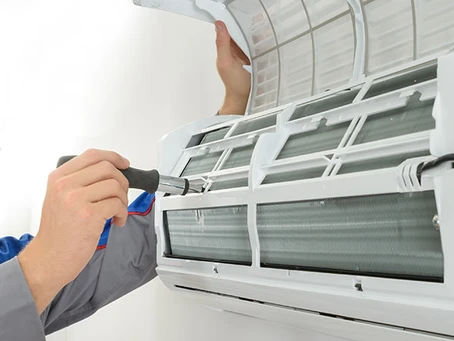
A technician can locate the vibrating component and secure loose connections. If tightening doesn’t resolve the noise, you may need to replace damaged parts.
4. Ignition System Problems
Buzzing during furnace startup can indicate a problem with the ignition system or its electrical controls. The components involved depend on the furnace type and fuel source.
For example, a malfunctioning gas valve solenoid may buzz when the furnace attempts to ignite. On an oil furnace, a burner motor or ignition transformer problem may cause unusual buzzing sounds.
If the furnace repeatedly attempts to start without producing heat, turn it off and arrange an inspection. A technician can examine the ignition components and identify the problem.
5. Restricted Airflow or a Dirty Air Filter
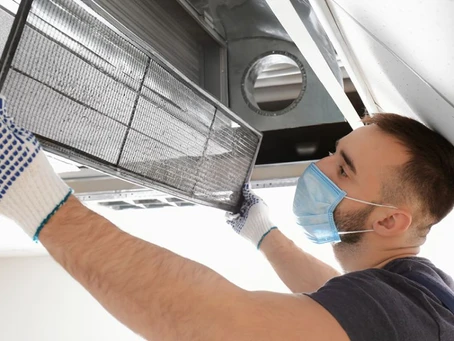
A clogged air filter restricts airflow through your furnace. This can strain the blower and cause unusual noises, though the filter itself typically doesn’t cause electrical buzzing.
Restricted airflow may also cause weak air circulation, uneven heating, or overheating that triggers the furnace’s safety controls. These symptoms can occur alongside blower humming or vibration.
Check the air filter and replace it if it’s dirty, following the manufacturer’s instructions. If the buzzing continues, the cause requires further inspection.
Is It Normal for a Furnace to Make a Buzzing Sound?
A quiet, steady hum can be normal during furnace operation. Transformers and blower motors produce some noise during regular heating cycles, especially during startup.
However, loud buzzing, repeated electrical clicking, or a sound that begins unexpectedly may indicate a problem. A furnace that buzzes continuously without producing heat also needs attention.
The timing of the noise can provide useful clues. Buzzing during startup may indicate an electrical or ignition issue, and buzzing during air circulation may involve the blower motor or vibrating components.
What Should You Check When Your Furnace Starts Buzzing?
Start by checking the thermostat, air filter, and furnace operation without opening electrical compartments. These checks can help identify common problems or give a technician useful information. Confirm that the thermostat is set to heating mode and the requested temperature is above the current room temperature.
If the furnace starts but doesn’t deliver warm air, note if buzzing occurs before or after the blower starts. Inspect the accessible air filter and check that the supply and return vents aren’t blocked. You can also listen for cabinet vibrations, but don’t remove panels, tighten internal parts, or touch electrical connections.
If the noise continues, schedule an inspection instead of repeatedly restarting the furnace. Chester County Fuel Oil offers heating system inspection, maintenance, and repair services for oil and gas heating equipment.
When Should You Call a Professional for Furnace Buzzing?
Contact an HVAC professional when buzzing is persistent, unusually loud, or accompanied by heating problems. A furnace that struggles to start, repeatedly shuts off, or produces weak airflow may have an electrical or mechanical fault.
Turn off the furnace if you notice burning odors, sparks, smoke, or overheating, as long as you can do so safely. If you smell gas, leave the building immediately and contact your gas utility or emergency services from a safe location.
During a repair visit, a technician can inspect the blower motor, electrical controls, and ignition components. Testing helps identify the cause and determine if repair or replacement is necessary. Chester County Fuel Oil provides 24-hour emergency heating repairs, including nights, weekends, and holidays.
How Can Regular Furnace Maintenance Help Prevent Buzzing?
Regular furnace maintenance can help prevent buzzing caused by loose components, restricted airflow, and mechanical wear. Routine inspections can identify developing problems before they interrupt your heating.
During maintenance, a technician may inspect electrical connections, check blower operation, clean applicable components, and test system performance. The procedures depend on the furnace type and maintenance service.
Chester County Fuel Oil offers heating and cooling service contracts for oil burners, gas furnaces, heat pumps, and air conditioning systems. Oil burner plans include annual cleanouts, with select plans covering replacement parts; gas furnace plans include cleaning, efficiency testing, and calibration. Additional benefits depend on the selected contract.
Schedule Professional Furnace Repair With Chester County Fuel Oil
A buzzing furnace may have an electrical fault, a worn blower motor, loose components, or an ignition problem. Identifying the cause early can help prevent damage and unexpected heating breakdowns.
With over 40 years of experience, Chester County Fuel Oil provides furnace repair, maintenance, and 24-hour emergency heating services. The company’s commitment to “First in Customer Satisfaction” guides its approach to helping customers maintain reliable heating systems.
If your furnace is buzzing or struggling to heat your home, contact Chester County Fuel Oil to schedule professional furnace repair or call 610-344-7234 for assistance.