Heating your home through the colder months can take a large share of your household energy budget, making efficiency especially important when temperatures drop. The goal is not to sit in a cold house just to save money. Small changes in how you heat your home can help control costs without making your living space uncomfortable.
There is plenty of advice on how to lower heating costs, and some of the most effective changes are easy to implement. Your thermostat settings, insulation, airflow, heating system maintenance, and equipment condition can all affect your heating costs. The five tips below focus on practical changes you can make to manage heating expenses more effectively.
What Are the Best Ways to Lower Heating Costs?
Lowering heating costs starts with reducing waste and getting more from the heat your system already produces. The following five steps cover everyday habits, home improvements, and heating system care to help keep your home comfortable in cold weather.
1. Adjust Your Thermostat More Efficiently
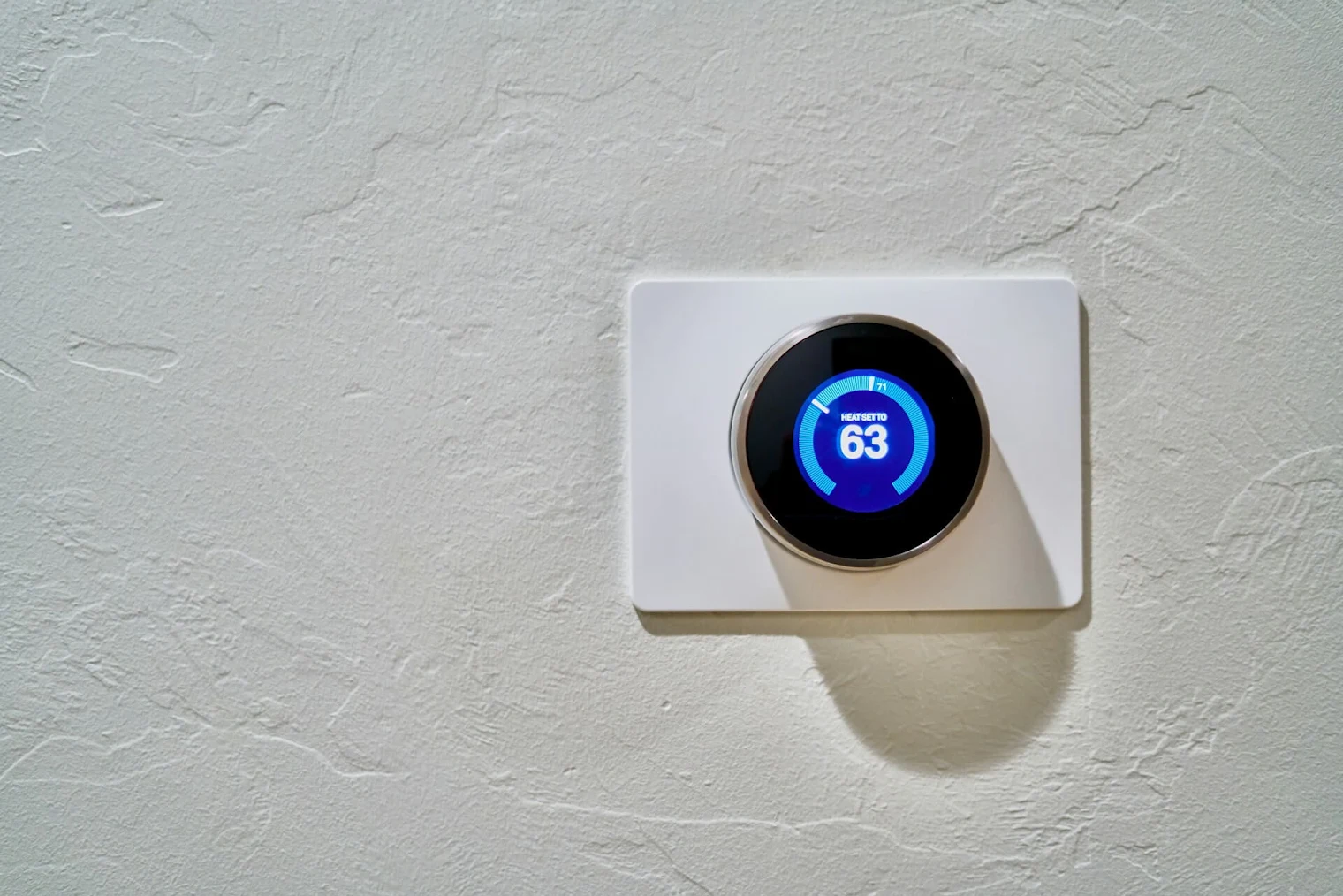
Set your thermostat at a comfortable temperature when you are home, then lower it slightly when you are asleep or away for several hours. Heating an empty house to the same temperature you prefer at home can increase your energy use without any benefit.
A programmable or smart thermostat can make these changes easier to manage. You can set a schedule based on when you usually wake up, leave home, return, and go to bed, so you do not have to adjust the thermostat manually every day.
Avoid raising the thermostat by several degrees just to warm the house faster. Most heating systems do not reach the desired temperature faster when set higher. The equipment simply continues heating until it reaches the new setting.
2. Reduce Heat Loss Around Your Home
Keep the heat you are paying for inside your home by sealing areas where warm air can escape. Gaps around exterior doors, windows, attic openings, and other openings in the building can let cold air enter, making some rooms feel less comfortable.
Weatherstripping around doors and windows can help close small gaps, and caulk can be useful around cracks in frames and other fixed openings. During sunny winter days, opening curtains and blinds can also bring natural warmth into the room. Closing them after dark provides another layer between the room and cold window glass.
Insulation also plays a major role in heat retention. An attic or other poorly insulated area can allow warmth to leave the home more easily. Improving insulation and air sealing can create more consistent indoor temperatures and reduce cold spots between rooms. Checking exterior doors for worn seals can also reveal small sources of drafts that are easy to overlook.
3. Keep Airflow Clear Throughout Your Home
Good airflow helps warm air reach the spaces where you need it. Furniture, rugs, curtains, boxes, and other objects placed over supply or return vents can interfere with circulation and leave some parts of the home feeling colder than others.
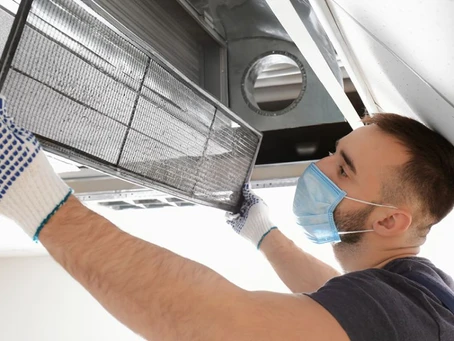
Check your HVAC filter regularly and replace or clean it according to the manufacturer’s recommendations. A clogged filter can restrict airflow through the system and affect how well heated air moves through the ductwork.
It is also best to avoid closing many vents in rooms you use less often unless your system was designed for zoned heating. Keeping supply and return vents open allows air to move more freely through the system and can help produce more even temperatures throughout the home. Keeping interior pathways open can also help heated air circulate between commonly used spaces.
4. Schedule Routine Heating System Maintenance
Routine maintenance helps keep heating equipment clean, properly adjusted, and ready for regular use. Parts can wear, dirt can build up, and small operating issues can develop over time without being obvious during everyday use.
Many residential heating systems benefit from professional service once a year, though the right schedule depends on your equipment. Chester County Fuel Oil provides more information about how often HVAC maintenance should be scheduled and what regular service can do for your system.
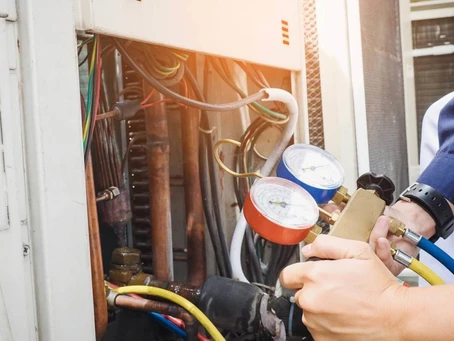
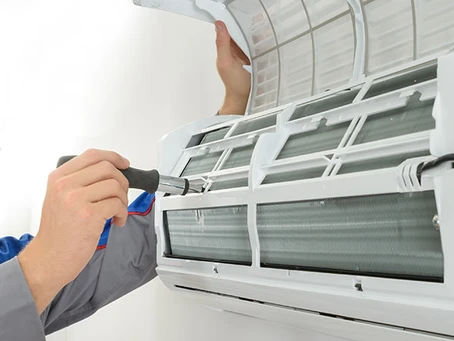
A maintenance visit allows a technician to inspect key components, clean parts where needed, and check for developing issues. This type of preventive care can help your equipment operate reliably when you depend on it most during cold weather.
5. Address Heating System Problems Promptly
Do not ignore changes in how your heating system operates. Uneven temperatures, weak airflow, unusual noises, frequent cycling, repeated repair needs, or difficulty maintaining the thermostat setting can indicate a problem that warrants professional attention.
Some problems may require a repair or adjustment. In other cases, older equipment that has become unreliable or needs frequent service may be a candidate for replacement. A professional inspection can help determine what is causing the problem and whether repair or replacement is the more practical option. This can also prevent you from repeatedly adjusting the thermostat to compensate for an equipment issue.
Chester County Fuel Oil provides HVAC repair, maintenance, and installation in West Chester, PA for local heating and cooling systems. Having a technician evaluate equipment that is no longer operating normally can help you make a more informed decision about the next step.
Lower Heating Costs With Chester County Fuel Oil
Learning how to lower heating costs is often less about making one major change and more about correcting several smaller sources of waste around the home. Good thermostat habits and home efficiency measures can help, but your heating equipment also needs proper care to provide dependable comfort.
Chester County Fuel Oil has more than 40 years of experience providing heating oil and HVAC services. The company offers 24-hour emergency service and free installation estimates and follows their motto, “First in Customer Satisfaction.”
If your heating system needs maintenance, repair, or professional attention, contact Chester County Fuel Oil for heating and HVAC service. Their team can inspect your equipment and help determine the right next step for your home’s heating needs.