HVAC advice gets passed from one person to another, but not all of it is accurate. Ideas about oversized equipment, closed vents, thermostat settings, and maintenance can sound reasonable until you look at how heating and cooling systems actually operate.
Following the wrong advice can affect comfort, energy use, and your equipment’s condition. Some HVAC myths may also cause you to overlook simple maintenance practices that help your system perform properly.
Here are seven common HVAC myths that are worth clearing up.
- A Bigger HVAC System Is Always Better
A larger HVAC system is not automatically better. Heating and cooling equipment works best when its capacity matches your home’s needs.
An oversized system may reach the thermostat setting too quickly and shut down before completing a proper cycle. This frequent starting and stopping can cause uneven temperatures, increase wear on components, and make it harder for an air conditioner to control humidity.
Proper sizing considers square footage, insulation, windows, layout, and other property characteristics. Professional HVAC installation and repair in West Chester, PA, can help determine the appropriate equipment size for your home, rather than relying on the idea that bigger is better.
- Closing Vents in Unused Rooms Saves Energy
Closing supply vents usually does not reduce the energy use of a standard central HVAC system. It can interfere with the airflow the system was designed to maintain.
Your HVAC equipment and ductwork are built to move a certain volume of air. Closing several vents can increase pressure in the duct system and reduce proper airflow through the equipment. This may cause comfort issues and place additional strain on certain system components.
If one part of your home regularly gets too hot or too cold, an airflow or ductwork issue may be involved. A properly designed zoning system can provide better control over individual areas without relying on closed vents.
- Extreme Thermostat Settings Heat or Cool a Home Faster
Lowering the thermostat far below your preferred temperature does not make a standard air conditioner cool your home faster. Raising it far above your desired temperature does not make most heating systems warm the house faster either.
The equipment generally operates at its normal output until the thermostat reaches the selected temperature. Setting your air conditioner to 60 degrees when you want the room at 72 only tells the system to continue running after it reaches 72.
Set the thermostat directly to the temperature you want. If the system struggles to reach that setting, slow performance could indicate restricted airflow, maintenance needs, equipment issues, or improper sizing.
- HVAC Maintenance Is Only Needed After a Problem Appears
Waiting for something to break is not the best way to care for heating and cooling equipment. Routine maintenance helps identify developing issues before they cause a complete loss of heating or cooling.
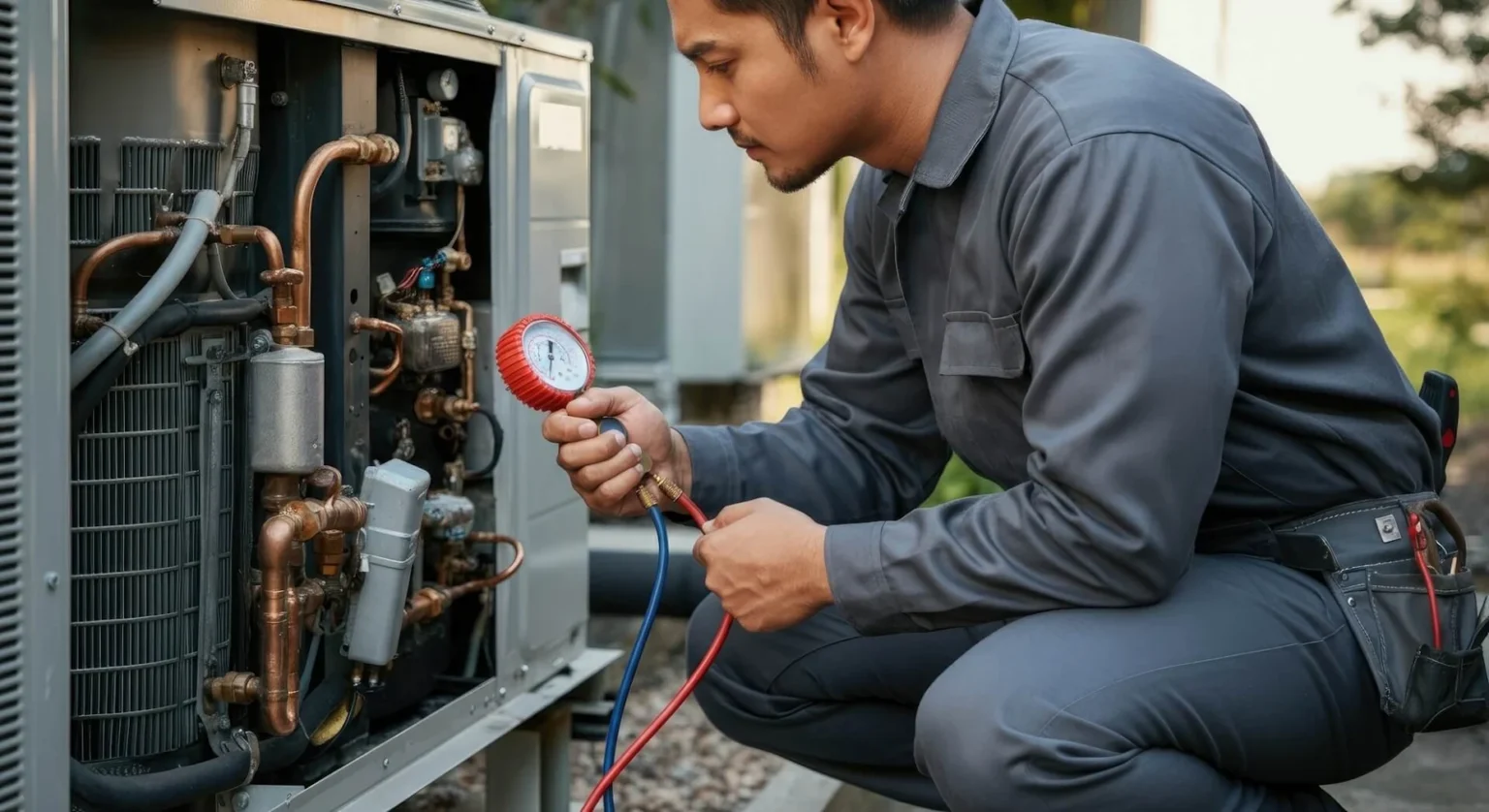
During a maintenance visit, a technician can inspect system components, check operating conditions, clean parts that need attention, and look for signs of wear. These visits can support reliable operation and help reduce the risk of preventable breakdowns.
Knowing how often to schedule HVAC maintenance can simplify seasonal planning. Chester County Fuel Oil also offers service contracts for oil burners, heat pumps, air conditioning systems, and gas heating equipment.
- Air Filters Only Affect Indoor Air Quality
Air filters do more than capture dust and other airborne particles. They also affect how easily air can move through your HVAC system.
A clogged filter can restrict airflow, making the equipment work harder to move conditioned air through your home. Poor airflow may contribute to comfort problems and unnecessary strain on the system.
The highest-rated filter is not automatically the right option for every unit. Some filters may be too restrictive for certain systems. Follow the equipment manufacturer’s recommendations or ask an HVAC technician which filter type works best with your equipment.
- Turning the HVAC System Off Saves the Most Energy
Completely shutting off heating or cooling every time you leave home is not always the most practical way to reduce energy use. A moderate thermostat adjustment is often a better approach.
During hot weather, turning off the air conditioner can allow indoor temperatures and humidity to rise considerably. During cold weather, letting the home get too cold can create comfort issues and cause the heating system to run for an extended period when you return.
A programmable or smart thermostat can automatically adjust temperatures based on your schedule. This gives the system a break when the house is empty, without causing extreme indoor temperature swings.
- Ceiling Fans Cool the Air in a Room
Ceiling fans do not lower a room’s actual temperature. They make you feel cooler because moving air helps heat leave your skin more effectively.
A fan can make a room feel more comfortable when you are in it, which may let you use a slightly higher air-conditioning setting. Once you leave the room, the fan provides little benefit because no one is there to feel the airflow.
Turning fans off in empty rooms avoids unnecessary electricity use. Fans can help cool your space, but they do not provide the same temperature control as air conditioning.
Get HVAC Advice You Can Rely On
Believing common HVAC myths can lead to decisions that do little to improve comfort or reduce energy use. Proper equipment sizing, unrestricted airflow, reasonable thermostat settings, clean filters, and regular maintenance are more dependable ways to support your system.
Chester County Fuel Oil has more than 40 years of experience providing heating oil and HVAC services. The company offers HVAC maintenance, repair, installation, service plans, free installation estimates, and 24-hour emergency service, guided by its motto, “First in Customer Satisfaction.”
If your heating or cooling system needs professional attention, contact Chester County Fuel Oil for HVAC maintenance, repair, or installation tailored to your home and equipment.