
When an air conditioner suddenly starts rattling, buzzing, squealing, or banging, it can quickly disrupt your comfort. The noise may interrupt sleep, make conversations difficult, or become distracting throughout the day. A sudden change can also leave you concerned that the system may stop cooling during hot weather.
If your air conditioner has become unusually loud, the cause could be a dirty filter, blocked airflow, outdoor debris, or a loose panel. It could also point to a worn motor, a damaged fan, an electrical fault, or a compressor problem. Some causes are simple to check, but others need professional attention.
The type, location, and timing of the sound can help narrow down the possible cause. Knowing which sounds call for immediate action can also prevent unsafe troubleshooting. This article explains common AC noises, safe checks you can complete, and when the unit should be turned off.
Why Is My AC So Loud?
Your AC may be loud because air cannot move freely, a component has come loose, or a mechanical part is wearing out. Electrical problems can also create buzzing, humming, or repeated clicking. The timing and location of the sound can provide useful clues.
A low hum, steady airflow, and a brief click when the system starts or stops can be normal. These sounds should be consistent and should not suddenly become much louder. Banging, grinding, screeching, and strong buzzing are not normal operating sounds.
Some noises may stop after replacing a dirty filter or clearing debris from around the outdoor condenser. Other problems involve motors, fans, electrical parts, or refrigerant components. These internal issues should be inspected by a trained HVAC technician.
What Do Common AC Noises Mean?
Different sounds often point to different parts of an air conditioning system. Listen for whether the noise comes from a vent, return grille, indoor unit, or outdoor condenser. Note whether it happens at startup, during the full cycle, or when the system shuts down.
Rattling or Vibrating
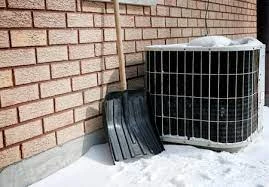
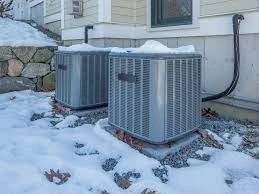
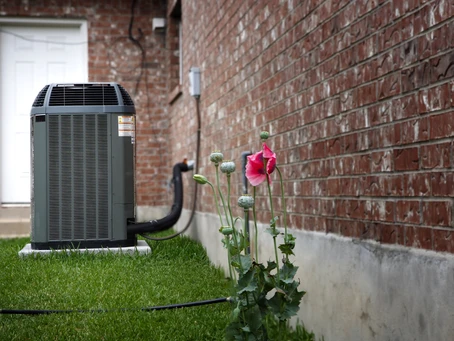
Rattling often comes from a loose panel, screw, grille, or fan component. Leaves, twigs, and other debris near the outdoor fan can also create vibration.
An air conditioner that sounds unusually loud inside the house may have a loose vent cover, air-handler panel, blower wheel, or motor mount. Vibration can travel through walls and nearby framing, making the sound noticeable in other rooms.
Turn off the system before removing any visible debris resting against the outdoor cabinet. Do not reach through the grille or remove an equipment panel. Chester County Fuel Oil provides professional air conditioning maintenance and repair services when internal components require inspection.
Buzzing or Loud Humming
A low, steady hum can be part of normal operation. Strong buzzing may indicate a failing capacitor, a damaged contactor, a loose electrical connection, a fan motor problem, or a compressor issue.
Loud humming from the indoor AC unit may develop when the blower motor struggles to start. Airflow may become weak, or the blower may stop moving air through the vents.
Turn the unit off if it buzzes, but the outdoor fan does not spin. Do not open the electrical panel or touch the capacitor. Electrical components can hold a charge after the power has been disconnected.
Banging or Clanking
Banging or clanking usually means a moving part is loose, damaged, or out of position. A fan blade may be striking the cabinet, or the blower wheel may have shifted on its mount.
The sound may also come from a component inside the compressor. Sound alone cannot confirm the exact source, so the equipment needs to be inspected.
Shut the system off if the noise is loud or continues during operation. Running the unit may allow a loose part to strike nearby components. This can turn a smaller problem into more extensive damage.
Squealing or Screeching
Squealing or screeching often comes from worn motor bearings, a strained blower motor, or a condenser fan motor. The sound may appear briefly at startup or continue through the cooling cycle.
A high-pitched sound from the indoor unit may point to the blower assembly. The noise can travel through supply vents, making the air conditioner seem louder throughout the home.
Turn the system off if the sound becomes louder or if airflow is weak. A technician can locate the source and test the affected motor. The inspection will show whether the component needs adjustment or replacement.
Grinding
Grinding usually points to a mechanical problem. Common causes include worn motor bearings, a damaged blower wheel, or moving parts rubbing against another surface.
A grinding air conditioner should be turned off. Continued operation may place more strain on the motor and damage connected components.
Professional service is needed because the equipment must be opened and inspected. Repeatedly restarting the system will not correct the problem. It may cause the damaged part to wear down faster.
Repeated Clicking
One or two clicks when the system starts or stops can be normal. Repeated clicking from a unit that will not start may involve the thermostat, relay, contactor, capacitor, or control board.
Check that the thermostat is set to “cool” and the fan is set to “auto.” Replace weak thermostat batteries if the screen is dim or unresponsive.
Turn the AC off if the clicking continues. Do not keep resetting the circuit breaker in an attempt to start the system. Breaker resets will not correct an electrical or control problem.
Hissing or Whistling
Whistling near a supply vent or return grille often points to restricted airflow. A clogged filter, a blocked return, a closed vent, or a loose grille may be responsible.
Loud AC noise inside the home may also develop when the filter is too restrictive or several supply vents are closed. The blower must work harder to move air, which can make vents and return grilles sound louder.
Hissing near the indoor coil or refrigerant lines may point to a refrigerant leak or pressure problem. Do not loosen line fittings or attempt to add refrigerant. The system requires professional testing to identify the source of the problem.
What Can You Safely Check Before Calling for Service?
Start by checking the thermostat and air filter. Set the thermostat to “cool” and the fan to “auto,” then replace weak thermostat batteries if needed. Inspect the filter and replace it if it is covered with dust or debris.
Open the supply vents and clear furniture, curtains, rugs, or stored items away from return grilles. Restricted airflow is a common reason an air conditioner sounds louder indoors. Use the correct filter size and a type approved for the system.
Turn the AC off before checking around the outdoor condenser. Remove leaves, weeds, and loose objects resting against the cabinet, but do not reach inside or remove service panels. If the noise continues after these checks, run the system only briefly and arrange professional service.
When Should You Turn Off a Noisy Air Conditioner?
Turn the system off when you hear grinding, metal scraping, loud banging, persistent screeching, or strong buzzing. These sounds may point to mechanical or electrical trouble. Continued operation could place more strain on the affected parts.
The AC should also be shut down if the noise comes with smoke, a burning smell, repeated breaker trips, leaking water, or ice buildup. Weak airflow and warm air from the vents can also indicate a developing problem. Leave the equipment off when several warning signs appear together.
Chester County Fuel Oil’s guide to warning signs that an air conditioning system needs professional repair explains other changes that can appear when the system is having trouble. Prompt attention can limit added wear and reduce the chance of a larger breakdown. A technician can test the equipment and safely identify the source.
Can Regular AC Maintenance Reduce Noise?
Regular maintenance can help identify loose electrical connections, dirty components, worn moving parts, and airflow restrictions. A technician can also inspect how the system starts, runs, and shuts down. This can reveal developing problems before they create loud or disruptive sounds.
A maintenance visit may include checking the filter, electrical connections, motors, blower assembly, refrigerant system, and outdoor condenser. The work completed depends on the type and condition of the equipment. Any worn or damaged components can then be discussed with you.
Maintenance cannot prevent every air conditioning problem. It can make changes in the system’s sound and performance easier to notice, however. Chester County Fuel Oil also offers service plans for air conditioning systems and heat pumps, with coverage based on current contract terms.
Get Help With a Loud AC From Chester County Fuel Oil
If the question “Why is my AC so loud?” keeps coming up after basic checks, the system should be inspected. A technician can locate the source of the sound and check for related airflow, mechanical, or electrical problems. The inspection can also determine whether it is safe to operate the unit.
Chester County Fuel Oil has more than 40 years of industry experience. The company provides AC maintenance, repair, installation, service plans, and 24-hour emergency service. Its motto, “First in Customer Satisfaction,” reflects its focus on dependable heating and cooling support.
Use the Chester County Fuel Oil contact page to schedule air conditioning service if the noise continues or the system is not cooling properly. Service should also be scheduled when the unit shows signs of an electrical or mechanical fault. A trained technician can explain the cause and recommend the right next step.